Nannie Canva Frame Template Design: A Creative’s Secret Weapon
There’s a specific kind of creative roadblock that happens when you have a beautiful image but no clean way to present it. You’ve taken the perfect flat-lay photo, downloaded a stunning stock image, or designed a gorgeous graphic, but slapping it directly onto a website or social media post feels unfinished. It needs context, a boundary, a frame. This is the exact problem the Nannie Canva Frame Template Design solves, and it does so with a level of style and practicality that can genuinely streamline your workflow.
What Exactly is This Template Design?
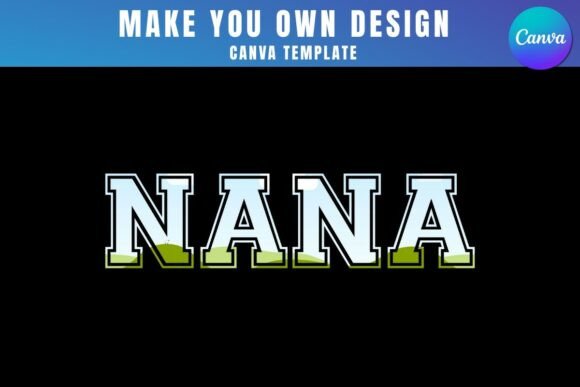
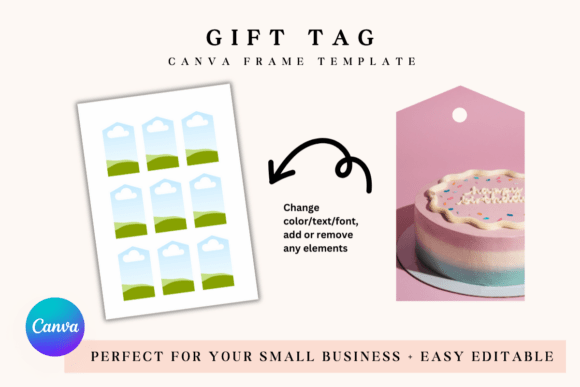
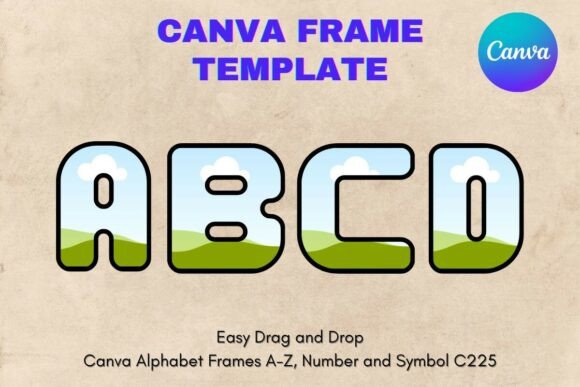
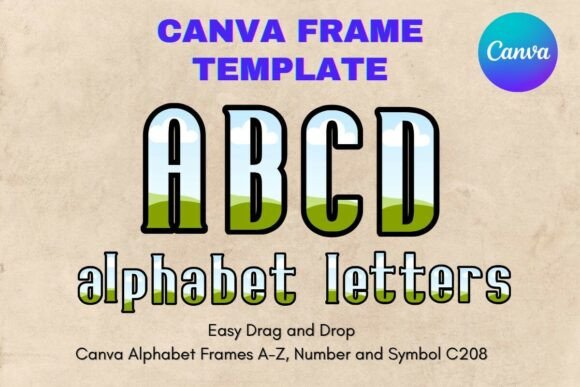
Forget the idea of a static, one-use graphic. Think of the Nannie Canva Frame Template Design as a versatile toolkit of digital containers. Inside your downloaded zip file, you receive a PDF with a direct link to a Canva project. This project is a curated collection of frame templates. Their visual personality leans towards modern elegance with a touch of organic warmth. You’ll find frames that are clean and geometric for a professional look, alongside options with softer, rounded edges or subtle textured overlays that add depth and interest without overwhelming your content.
The core appeal lies in their function as design assets. These aren’t just decorative borders. They are structural elements designed to elevate your imagery. The templates are built for the drag-and-drop simplicity of Canva, meaning you can take any PNG or JPG image—your product photos, team headshots, promotional graphics, or digital art—and place it directly into these frames. The image automatically conforms to the frame’s shape, instantly giving your work a polished, cohesive look. It’s a shortcut to professional presentation that respects your time.
Where These Frames Truly Shine: Practical Applications
The true value of a good design asset is measured in its utility across projects. The Nannie Canva Frame Template Design finds its home in a surprisingly wide range of applications, making it a worthwhile addition to any creative’s library.
For brand identity and logo design, consistency is everything. Using these frames to present your logo variations, brand patterns, or product shots across your website and materials creates a unified visual language. Imagine your Instagram grid where every post is neatly contained within a consistent frame style—it immediately looks more curated and intentional, strengthening brand recognition.
In the realms of editorial design and publishing, these frames are a lifesaver. Bloggers can frame featured images for a cleaner layout. Digital magazine creators can use them to create dynamic photo collages or highlight key visual elements in an article. For packaging design mockups, placing your label design into a frame that mimics a box or bag shape can provide a more realistic and compelling presentation for client pitches or online store listings.
Web design and social media graphics are perhaps the most immediate beneficiaries. Use the frames to create uniform team member bios on an About Us page, to showcase customer testimonials with their photos, or to build engaging carousel posts that tell a visual story. For marketing materials like digital brochures or email headers, framed imagery adds a layer of professionalism that flat images often lack.
Even for personal projects—like designing a family photo book, creating custom invitations, or organizing digital scrapbooks—the Nannie Canva Frame Template Design offers a simple way to add artistry and structure to your memories.
Making the Design Work for You: Key Considerations
Before diving in, a few practical notes are essential for a smooth experience. First, a free Canva account is required to access and edit the templates. This is a low barrier to entry for most creators. However, if your final goal is to download your framed image with a transparent background—a crucial feature for layering graphics in other software or on varied website backgrounds—you will need a Canva Pro subscription or higher. This is a standard Canva limitation, not of the templates themselves.
It’s also critical to understand the product’s scope. This is a digital product; no physical frames will be shipped to you. The templates are exclusively designed for use within Canva. They are not compatible with SVG editing software, nor can they be used with cutting machines like Cricut or Silhouette. Their purpose is digital composition and presentation, not physical crafting file preparation.
When evaluating if these frames fit your project, consider the visual hierarchy you need to establish. A bold, thick frame will draw the eye immediately, making it perfect for a hero image or a key call-to-action graphic. A thinner, more delicate frame might be better for supporting images in a blog sidebar or a gallery. Test how the frame’s style interacts with your imagery. Does a modern, geometric frame complement your minimalist product photos, or does a softer, textured frame better suit your lifestyle photography?
Think about font pairing in a broader sense. While these are frames, not fonts, the principle of contrast and harmony applies. If you’re using these frames in a design that also contains text, ensure the frame’s style doesn’t clash with your chosen serif font or sans serif font. A highly ornate frame might compete with a script font, while a clean frame can let a handwritten font stand out beautifully.
Ultimately, the Nannie Canva Frame Template Design is about enhancing your existing content. It’s a practical tool for adding a professional touch, ensuring consistency across platforms, and saving valuable design time. By understanding its capabilities and its intended use within the Canva ecosystem, you can leverage it to make your visual communications more effective and engaging.