Master Social Media Design with the Template Story Post
In the fast-paced world of digital marketing, consistency is often the first casualty. We know we need to post daily, but the reality of designing fresh content from scratch for every platform is exhausting. This is exactly the friction point that the Template Story Social Media Post solves. It is not just a static design file; it is a fully editable system built within Canva that bridges the gap between professional graphic design and practical, everyday content creation. Whether you are a seasoned designer looking to speed up your workflow or a small business owner trying to build a brand identity without a dedicated team, this tool offers a practical path forward.
Understanding the Visual DNA of Your Content
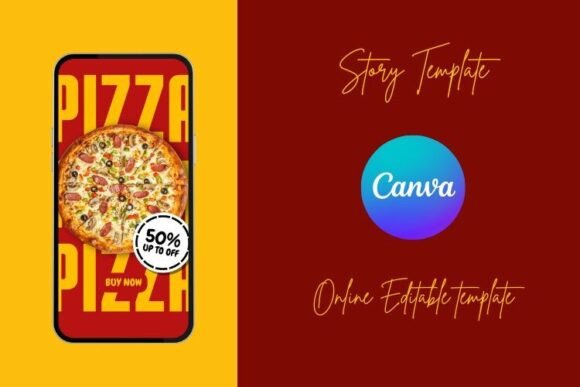
First, let’s break down what the Template Story Social Media Post actually looks like and feels like. When you open the file, you aren't met with a rigid, unchangeable image. Instead, you find a modular ecosystem. The visual personality of the default design tends to lean toward modern typography, balancing clean lines with engaging design assets. It avoids the chaos of cluttered layouts, focusing instead on clear visual hierarchy. This means your message gets priority, supported by shapes, icons, and illustrations that serve a purpose rather than just filling space.
The style is intentionally versatile. It isn't so "out there" that it alienates conservative industries, but it isn't so bland that it disappears in a crowded feed. The overall appeal lies in its flexibility. You will notice that the layout accommodates both heavy text and striking imagery. Because it is optimized for various platforms—like Instagram, Facebook, Twitter, and LinkedIn—the design elements are scalable. A visual anchor that works for an Instagram Story can be repositioned to fit the landscape ratio of a Facebook cover without losing its impact. It is a creative font and layout combination that respects the rules of social media graphics while giving you the freedom to break them when necessary.
Strategic Applications: From Digital to Print
While the name suggests a focus on social media, the utility of the Template Story Social Media Post extends far beyond the feed. The underlying structure makes it a valuable asset for a variety of creative and commercial projects.
For digital marketing, the application is obvious. It streamlines the creation of daily posts, promotional banners, and event announcements. However, consider how these templates influence brand perception. When a feed looks disjointed—using different fonts, clashing colors, and inconsistent spacing—it erodes trust. By using a cohesive template system, you ensure consistency. This visual reliability signals professionalism to your audience before they even read your caption.
But don't limit your thinking to pixels. The designs contained within these templates are often high-resolution enough to translate into print design. A graphic designed for a story can easily be adapted for a flyer, a price tag for packaging design, or a layout for a quick zine or internal newsletter. For bloggers and publishers, these templates can serve as the visual backbone for Pinterest pins or featured images, ensuring that the transition from the article to the social share is seamless. Even crafters and hobbyists can utilize these layouts to create mood boards or project presentations that look polished and intentional.
The Power of Customization: Fonts, Colors, and Layouts
The true power of the Template Story Social Media Post lies in its customization capabilities. It is designed to be a premium font and layout playground. A common mistake in DIY design is choosing a script font or handwritten font that looks beautiful but fails in execution—either because it is illegible at small sizes or because it clashes with the supporting text. This template system encourages you to evaluate your font pairing critically.
You have access to Canva’s library, allowing you to swap out the default typeface for a serif font if you want a classic, editorial vibe, or a bold sans serif font for a contemporary, clean look. The key is to use the template's structure to maintain visual hierarchy. The headers should demand attention, while the body copy remains readable. This balance is crucial for audience engagement; if people have to squint to read your message, they will scroll past.
Color is another area where this tool shines. The "Flexible Color Palettes" feature allows you to instantly re-skin the design. This is vital for maintaining brand identity. If your brand uses a specific shade of teal or a particular gradient, you can apply that globally or locally. This ensures that even if you are using a generic template, the result feels bespoke to your business.
Practical Guide to Implementation and Licensing
Adopting a new design asset requires a strategic approach. Here is how to get the most out of the Template Story Social Media Post without falling into common traps.
First, evaluate the project fit. Before you start dragging and dropping images, ask yourself what the goal of the post is. Is it to drive traffic to a blog? Is it to announce a sale? The template should support that goal. If the design is too busy, remove elements. White space—or negative space—is your friend. It helps direct the eye and prevents the design from looking cluttered.
Second, focus on readability considerations. When you swap out the fonts, test them on mobile devices. Most of your audience will view your content on a phone screen. A complex display font might look great on a desktop monitor but become an unreadable mess on a 6-inch screen. Stick to clean, legible typefaces for crucial information.
Third, consider your assets. You will likely want to replace the placeholder images with your own photos or illustrations. Ensure your images are high quality. A great layout cannot save a blurry or poorly lit photo. The template is a frame; the content you put inside it needs to be just as strong.
Finally, understand the usage rights. Most commercial font licenses and template usage agreements allow for broad commercial use, meaning you can use the designs you create for your business, for clients, or for products you sell. However, you generally cannot resell the template file itself as a digital product. Always double-check the specific license details provided with the design assets to ensure you are compliant, especially if you are working on a large-scale commercial campaign.
By integrating the Template Story Social Media Post into your workflow, you are not just buying a design; you are investing in a more efficient, consistent, and professional way of communicating with your audience.